What does everyday coastal living actually feel like when you are not on vacation? On Camano Island, the waterfront is less about a weekend postcard and more about daily routines shaped by tides, trails, weather, and the kind of shoreline you choose. If you are thinking about buying, selling, or simply learning what makes this island lifestyle distinct, this guide will help you understand how waterfront living works here in real life. Let’s dive in.
Why Camano Feels Like Everyday Waterfront
Camano Island offers a coastal setting that feels connected rather than remote. Access runs primarily through SR 532 and a single bridge to the mainland, which makes the island easy to reach while still preserving a quieter rhythm than many urban waterfront markets. At the same time, Island Transit provides fare-free service, even though most daily life is still car-based.
The island also reads more like a homeowner community than a short-stay resort market. The 2020 Census counted 17,356 residents in the Camano CDP, with 91.4% of housing units owner-occupied. That helps explain why the lifestyle here often centers on long-term ownership, steady routines, and a strong sense of place.
For many buyers, that is the appeal. You are not just purchasing a view. You are stepping into a coastal pattern of living that can include morning walks, beach checks, boating plans, and seasonal wildlife watching right in the flow of everyday life.
Waterfront Lifestyle Depends on Shoreline Type
Not all waterfront on Camano Island lives the same way. One of the most important things to understand is that your day-to-day experience depends heavily on the kind of shoreline a property has.
Quiet coves and low-bank beaches
Low-bank and calmer shoreline settings often feel natural, private, and close to the water. In lower wave-energy areas, Island County notes that some shorelines may be left natural or use soft shore protection rather than heavier structural solutions. That can preserve a more relaxed beach feel, but it may also come with more sensitivity around maintenance and shoreline changes.
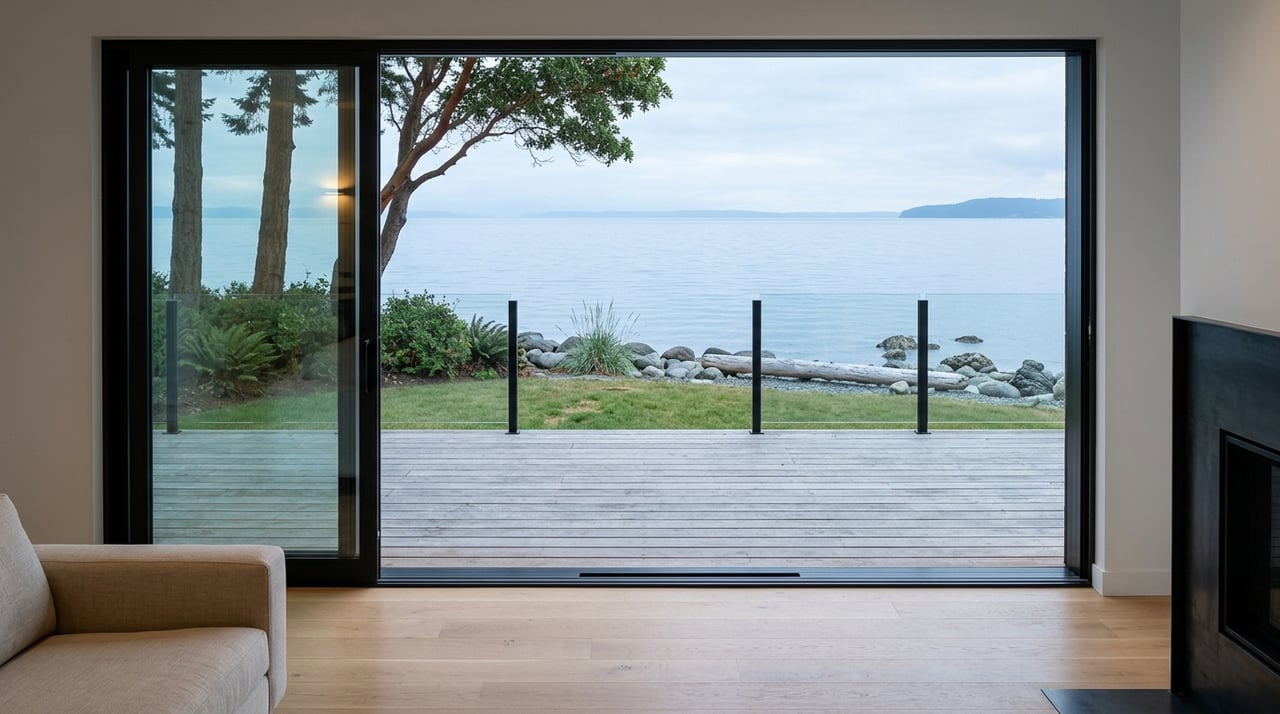
This type of setting often appeals to buyers who want a close connection to the beach itself. You may picture beach walks, shoreline seating, or simply spending more time near the waterline. Still, each parcel is different, and some homes may have a water view without practical access structures.
Boat-friendly stretches
For some buyers, the waterfront lifestyle is defined by boating. Camano Island State Park includes a boat launch, and county boat launch passes are sold for Camano launches, which speaks to how strongly boating is woven into island recreation. Public access points such as Cama Beach, Barnum Point, Iverson Preserve, Four Springs, and Camano Island State Park also help support a marine-focused routine.
If you are comparing properties, it helps to think beyond whether a home is on the water. You may want to consider how often you plan to launch, what kind of access matters most, and whether a nearby public launch fits your real routine.
View bluffs and higher-bank homes
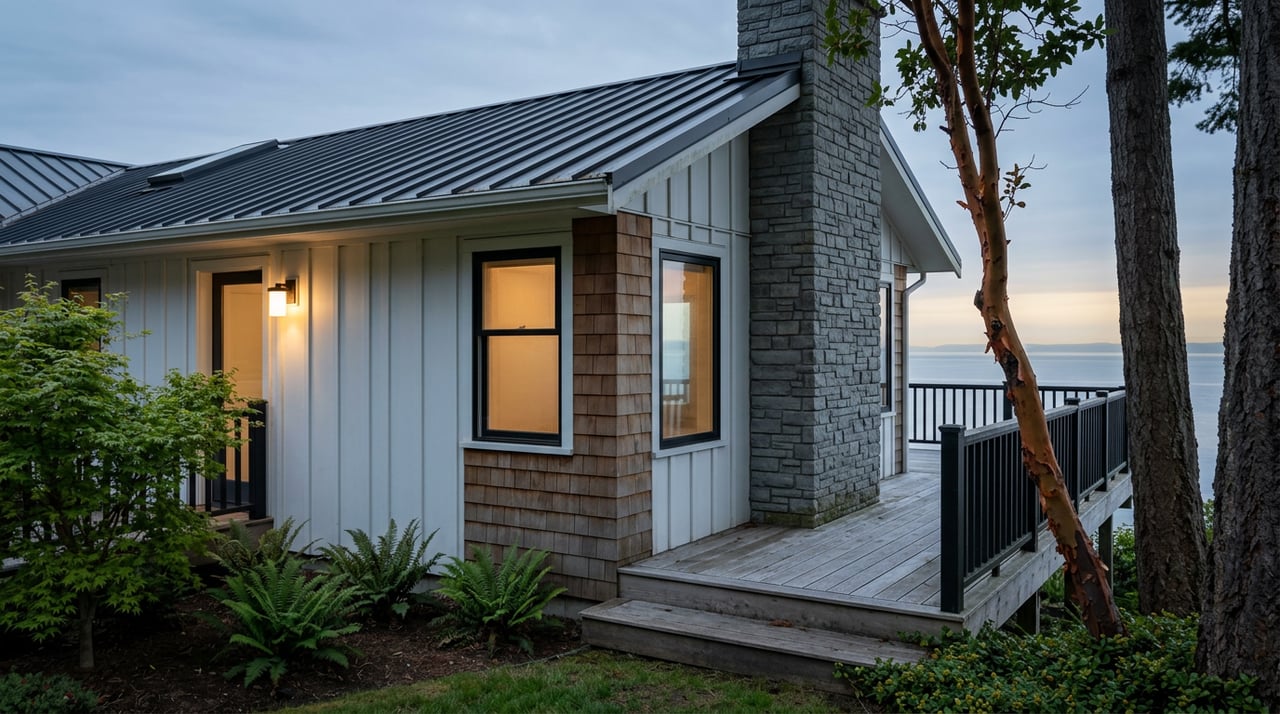
Higher-bank and bluff properties often deliver some of the island’s most dramatic outlooks. Island County guidance notes that banks over 10 feet often require stairways, trams, walkways, or towers for beach access, and in some cases a property may be view-only. That means a bluff home can offer a striking visual experience while functioning very differently from a low-bank beach property.
For many buyers, this is a worthwhile tradeoff. You may spend more of your time enjoying long water views, changing light, and sunsets than walking directly onto the beach. The right fit comes down to how you picture using the property every day.
Public Access Shapes Daily Life
Even when a home’s waterfront is private, public shoreline access still plays a big role in island living. Island County manages 54 park facilities across Whidbey and Camano, including places for boating, fishing, hiking, and trail use. That network helps make outdoor life part of a normal week, not just an occasional outing.
Camano Island State Park is a strong example. It offers four miles of forest trails, wildlife viewing, summer interpretive programs, and a one-mile connection to Cama Beach. Cama Beach adds up to 15 miles of trails, picnic areas, and a café with a seasonal schedule.
That combination creates a real public-access rhythm. You can build regular habits around a morning trail walk, an afternoon beach stop, or a quick outing before dinner. Because many county parks are open dawn to dusk and are generally day-use only, they function as part of everyday life rather than destination attractions.
Seasons Set the Island Pace
Camano’s waterfront lifestyle changes with the seasons, but it does not shut down. Nearby Everett climate normals show average monthly temperatures around 41°F in January and around 65°F in July and August, with annual precipitation of 40.25 inches. Late fall and early winter are typically wetter, while July and August are much drier.
In practical terms, that means summer often brings bright beach days, fuller recreational calendars, and more time spent outside. Cama Beach’s seasonal café and summer interpretive programming reflect that warmer-weather energy. This is when the island feels especially social and active along trails, beaches, and waterfront parks.
The cooler months bring a different kind of appeal. Winter and shoulder seasons can still be very outdoorsy, but they ask for more flexibility. You may trade a long beach afternoon for a shorter trail walk, wildlife viewing, or simply enjoying changing skies and water from home.
Camano Island State Park highlights activities that support this year-round pattern, including boating, hiking, fishing, bird watching, beach exploration, and wildlife viewing. Orcas, harbor seals, porpoises, gray whales, eagles, herons, hummingbirds, and owls all contribute to the sense that nature is part of the everyday backdrop here.
Waterfront Ownership Has a Practical Side
The beauty of waterfront living is real, but so is the practical layer. On Camano Island, buying the right property means matching the shoreline to your lifestyle and understanding the local rules that shape ownership.
Shoreline rules matter
Island County’s Shoreline Master Program regulates marine waters around Camano and shorelands extending 200 feet inland from the ordinary high-water mark. Depending on the project, permits or review may apply to new construction, shoreline stabilization, vegetation removal, docks and piers, mooring buoys, lot divisions, and other shoreline changes.
For buyers, that means future plans should always be weighed carefully. A property that looks ideal at first glance may carry limitations or review requirements that affect how you use or improve it over time.
Wells and septic are part of the equation
Island County Public Health says about 72% of county residents use septic systems, and a similar share rely on groundwater. Land-use review considers both potable water and septic setbacks, and the county advises well owners to maintain the greatest possible setback from the shoreline to help reduce seawater intrusion concerns.
This is one reason waterfront buying here benefits from detailed local guidance. The lifestyle side may draw you in, but the long-term ownership experience also depends on water, septic, setbacks, and parcel-specific conditions.
Shore protection changes the feel
The same stretch of shoreline can live very differently depending on whether it is natural, softly protected, or hardened with armoring. Island County notes that soft shore protection can preserve a more natural beach appearance and may improve recreational access, while hard armoring can affect sediment movement and beach width over time.
That difference matters in everyday use. If you picture shoreline exploration and a natural beach feel, your ideal property may be very different from one chosen primarily for elevated views or structural shoreline protection.
How to Match the Right Waterfront Lifestyle
The best Camano waterfront purchase is rarely about choosing "waterfront" as a broad category. It is about choosing the shoreline type and setting that fit the way you actually want to live.
A helpful way to think about it is to compare your priorities:
- Low-bank beach living if you want closer shoreline interaction
- Bluff or high-bank living if views matter more than direct beach access
- Boat-oriented locations if launch convenience shapes your weekends
- Public-access proximity if trails, parks, and beach outings are part of your daily routine
- Lower-maintenance settings if you want coastal beauty with fewer hands-on shoreline concerns
- Property-specific utility review if septic, water, and future improvement potential are major priorities
This is where local expertise becomes especially valuable. On Camano, two homes can both be labeled waterfront and deliver completely different ownership experiences. Understanding that difference before you buy can help you avoid falling in love with the wrong shoreline type.
Why Local Guidance Matters on Camano
Camano Island rewards buyers and sellers who understand nuance. Access, shoreline conditions, public recreation, seasonal patterns, and property infrastructure all shape what everyday coastal living actually looks like.
For sellers, that nuance also affects marketing. A well-positioned waterfront property is not just sold on square footage or a map pin. It is presented through the specific lifestyle it offers, whether that means beach access, boating, long bluff views, or a quieter natural setting tied to parks and trails.
That is where a specialist perspective can make a meaningful difference. Clear advice, careful positioning, and local knowledge help reduce risk for buyers and bring stronger context to the market for sellers.
If you are exploring waterfront living on Camano Island, or preparing to sell a coastal property here, Julie Love offers calm, informed guidance shaped by decades of local experience, concierge-level service, and a deep understanding of how this shoreline market really works.
FAQs
What is everyday waterfront living like on Camano Island?
- It is typically a year-round coastal lifestyle built around daily routines like trail walks, beach visits, boating, wildlife viewing, and enjoying the water in a homeowner-focused community rather than a resort setting.
What types of waterfront properties are common on Camano Island?
- Buyers often compare low-bank beaches, boat-oriented areas, and higher-bank or bluff properties, each offering a different mix of beach access, water views, and maintenance considerations.
Do all Camano Island waterfront homes have direct beach access?
- No. Island County guidance notes that some properties are view-only, and higher-bank homes may require stairways, trams, walkways, or similar access structures.
What should buyers know about shoreline rules on Camano Island?
- Island County’s Shoreline Master Program can affect construction, shoreline stabilization, vegetation removal, docks, piers, mooring buoys, lot divisions, and other changes near the shoreline.
How does weather affect waterfront living on Camano Island?
- Summers are generally drier and more active outdoors, while late fall and early winter are wetter. The island still supports year-round outdoor routines, but activities tend to shift with the season.
What practical systems matter for Camano Island waterfront ownership?
- Septic systems, groundwater, shoreline setbacks, and long-term water considerations matter because many properties in Island County rely on septic and wells.
Are there public parks and beaches on Camano Island?
- Yes. Island County manages parks and trails on Camano, and places like Camano Island State Park and Cama Beach provide access to trails, beaches, boating, wildlife viewing, and day-use recreation.
Why is local expertise important when buying Camano Island waterfront property?
- Because shoreline type, access, permitting, utilities, and daily-use patterns can vary widely from one parcel to the next, even when both homes are considered waterfront.